The Genesis of an Icon: Apple Computers Through the Eyes of The New York Times
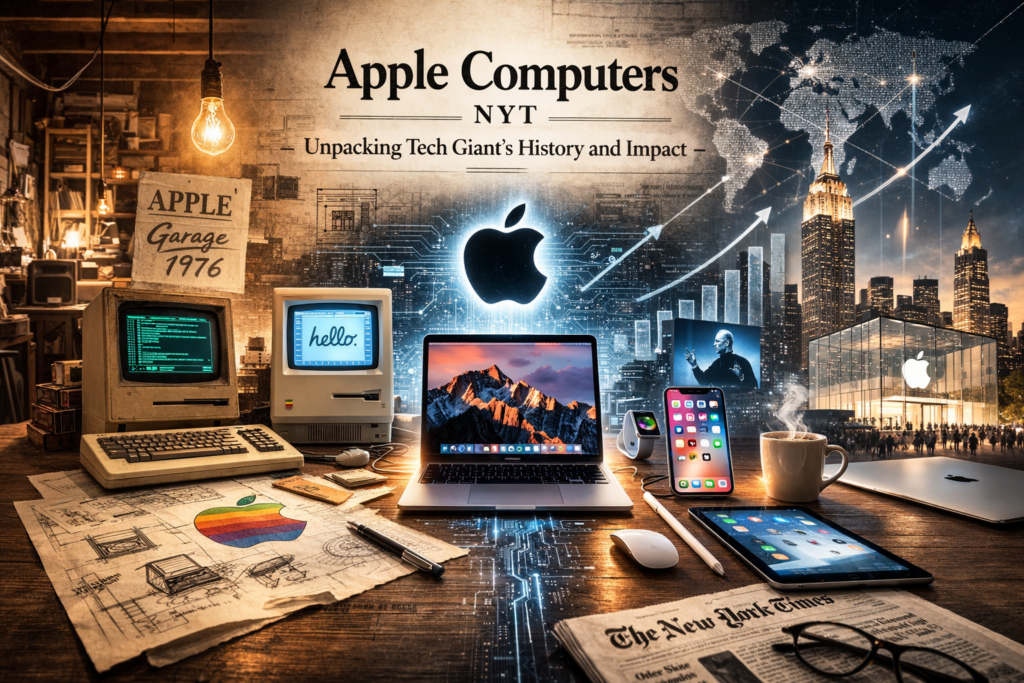
The story of Apple computers is not just a tale of technological advancement; it’s a narrative woven into the fabric of modern culture, and few publications have documented this journey as comprehensively as The New York Times. From the garage origins of Steve Jobs and Steve Wozniak to the sleek, ubiquitous devices we carry today, the NYT has been a consistent observer, critic, and chronicler of Apple’s meteoric rise and occasional stumbles. This exploration delves into the key moments, pivotal products, and the enduring legacy of Apple computers, as illuminated by the pages of one of America’s most influential newspapers.
From Hobbyist Project to Personal Computing Pioneer
In the mid-1970s, personal computing was a nascent, almost esoteric concept. The idea of a machine accessible to the average person, rather than just hobbyists or large corporations, was revolutionary. Apple Computer Company, founded in 1976, was at the forefront of this burgeoning movement. The New York Times, while perhaps not immediately recognizing the full scope of its future impact, began to report on this new wave of technology. Early articles would have likely focused on the novelty of these “microcomputers,” their potential applications, and the ambitious vision of their young founders.
The introduction of the Apple II in 1977 marked a significant leap. It was one of the first mass-produced microcomputers with a color display and an open architecture, making it appealing to a wider audience, including educators and small businesses. The NYT would have covered its release, highlighting its user-friendly design and its potential to democratize computing. This period was characterized by a sense of optimism and a belief that technology could fundamentally change how people lived and worked.
The Macintosh Revolution and the Dawn of the GUI
The landscape of personal computing was dramatically altered with the introduction of the Macintosh in 1984. This was not just another computer; it was a paradigm shift. The Macintosh introduced the graphical user interface (GUI) and the mouse to the mainstream, concepts that would define personal computing for decades to come. The iconic “1984” Super Bowl commercial, directed by Ridley Scott, signaled Apple’s intent to challenge the established order, famously positioning the Macintosh as a liberator from the conformity represented by IBM’s dominance.
The New York Times dedicated significant coverage to the Macintosh launch. Articles would have detailed its innovative features, such as the desktop metaphor, icons, and windows, explaining how these elements made computers more intuitive and accessible. The paper likely explored the debate around its higher price point compared to other machines, but also emphasized its potential to revolutionize creative fields like graphic design and publishing. The early days of the Mac were marked by both excitement and skepticism, a dynamic well-captured in the NYT’s reporting, which balanced technological marvel with market realities.
Navigating Turbulent Waters: The 1990s and Beyond
The 1990s proved to be a challenging period for Apple. Facing intense competition from Microsoft’s Windows operating system and a series of less successful product launches, the company experienced internal turmoil and a decline in market share. The New York Times chronicled these struggles, reporting on leadership changes, strategic missteps, and the company’s fight for survival. Articles from this era likely painted a picture of a company at a crossroads, grappling with its identity and its place in an increasingly competitive tech world.
The return of Steve Jobs in 1997 marked a turning point. His vision and relentless pursuit of innovation revitalized Apple. The subsequent launch of the iMac in 1998, with its distinctive translucent, colorful design, was a bold statement and a commercial success. The NYT would have covered this comeback, highlighting Jobs’s charismatic leadership and Apple’s renewed focus on design and user experience. This period saw Apple shift from a computer company to a consumer electronics powerhouse, a transformation meticulously documented by the Times.
The iPod, iPhone, and the Era of the Digital Hub
The introduction of the iPod in 2001 and the iPhone in 2007 were watershed moments, not just for Apple, but for the entire technology industry and society at large. The iPod didn’t just play music; it revolutionized how we consume it, making digital music libraries portable and accessible. The iPhone, in turn, redefined the smartphone, merging communication, entertainment, and internet access into a single, elegant device.
The New York Times provided extensive, often glowing, coverage of these groundbreaking products. Articles would have explored the technological innovations behind them, the business strategies that propelled their success, and their profound impact on culture and daily life. The paper likely debated the implications of the “app economy” fostered by the iPhone and the growing influence of Apple’s ecosystem. These reports cemented Apple’s image as a company that consistently pushed boundaries and anticipated consumer desires.
Apple’s Enduring Impact on Technology and Culture
The New York Times’ reporting over the decades consistently highlights Apple’s unique approach to technology. It’s a company that has prioritized design, user experience, and the integration of hardware and software. This focus has not only led to the creation of iconic products but has also profoundly influenced the design philosophy of countless other companies across various industries.
The paper has often explored the cultural significance of Apple products, from their adoption in schools and creative professions to their role in shaping our digital identities. The NYT’s coverage has also delved into the business and economic implications of Apple’s success, examining its supply chain, its labor practices, and its role as one of the world’s most valuable companies. Through its reporting, The New York Times has provided readers with a comprehensive understanding of Apple’s journey, its triumphs, its challenges, and its indelible mark on the modern world.
Key Milestones and Innovations Documented by the NYT
- Apple II (1977): Early reports likely focused on its color graphics and accessibility, positioning it as a significant step in personal computing.
- Macintosh (1984): The NYT extensively covered the launch, explaining the revolutionary GUI and the mouse, and discussing its potential impact on various industries. The “1984” ad was a major news item.
- NeXT Acquisition and Steve Jobs’s Return (1997): Coverage detailed the dramatic events leading to Jobs’s comeback and the acquisition of NeXT, signaling a potential turnaround for Apple.
- iMac (1998): The paper reported on the design innovation and commercial success of the iMac, marking Apple’s resurgence.
- iPod (2001): NYT articles explored the impact of the iPod on the music industry and portable digital devices, highlighting its user-friendly interface and marketing genius.
- iPhone (2007): The launch of the iPhone was a major news event, with the Times dissecting its revolutionary features, its potential to disrupt the mobile market, and the birth of the app ecosystem.
- iPad (2010): Coverage focused on the creation of a new device category – the tablet – and its implications for computing, media consumption, and productivity.
- Apple Watch (2015): Reports likely discussed Apple’s entry into the wearables market, its focus on health and fitness features, and its integration into the Apple ecosystem.
- Services Expansion: As Apple has increasingly focused on services like Apple Music, Apple TV+, and iCloud, the NYT has reported on this strategic shift and its impact on Apple’s revenue streams and market position.
The Business of Innovation: Apple’s Economic and Societal Footprint
The New York Times has not shied away from examining the broader economic and societal implications of Apple’s dominance. Reports have delved into:
- Supply Chain and Manufacturing: Investigations into Apple’s global manufacturing operations, including labor conditions and environmental impact, have been a recurring theme.
- Antitrust Concerns: As Apple’s market power has grown, the NYT has covered various antitrust investigations and debates surrounding its App Store policies and its competitive practices.
- Privacy and Security: The paper has reported on Apple’s stance on user privacy, its encryption policies, and its high-profile disputes with government agencies over data access.
- Environmental Initiatives: Apple’s efforts towards sustainability, including its use of recycled materials and renewable energy, have also been a subject of NYT reporting.
- The “Apple Ecosystem”: The Times has frequently analyzed how Apple’s integrated hardware, software, and services create a powerful ecosystem that fosters customer loyalty and drives continued sales.
Challenges and Criticisms Documented by the NYT
While often laudatory, The New York Times has also provided critical perspectives on Apple. These have included:
- Pricing Strategies: The consistently premium pricing of Apple products has been a subject of discussion, with the NYT exploring whether the innovation justifies the cost.
- “Walled Garden” Approach: Critics, often featured in NYT articles, have pointed to Apple’s closed ecosystem as limiting user choice and stifling competition.
- Planned Obsolescence: Debates around the lifespan of Apple products and the company’s software update policies have been covered.
- Labor Practices: As mentioned, reports on working conditions in factories that produce Apple products have raised significant ethical questions, with the Times playing a role in bringing these to public attention.
- Market Dominance and Monopoly Concerns: The NYT has provided a platform for discussions about Apple’s immense market power and potential monopolistic tendencies.
Looking Ahead: Apple’s Future Through the NYT Lens
As Apple continues to evolve, The New York Times remains a crucial source for understanding its trajectory. Future reporting will likely focus on:
- Augmented and Virtual Reality: Apple’s investments in AR/VR technologies, including potential new hardware like headsets, will undoubtedly be a significant area of coverage.
- Automotive Technology: Rumors and developments surrounding Apple’s potential entry into the automotive industry, perhaps with an electric or autonomous vehicle, will be closely watched and reported.
- Artificial Intelligence: The role of AI in Apple’s future products and services, and how it compares to competitors, will be a key topic.
- Health and Wellness: Apple’s expanding focus on health features in its devices and services will likely continue to be a prominent theme.
- Geopolitical and Regulatory Challenges: As a global tech giant, Apple will continue to face scrutiny from governments worldwide, and the NYT will be there to report on these complex issues.
Conclusion: A Chronicle of Innovation and Influence
The New York Times has served as an invaluable witness to the remarkable journey of Apple computers. From its revolutionary beginnings to its current status as a global technology leader, the paper’s reporting has offered readers deep insights into the company’s innovations, its business strategies, its cultural impact, and its ongoing evolution. By chronicling the successes, the challenges, and the controversies, The New York Times has helped shape our understanding of Apple and its profound influence on the digital age. For anyone seeking to understand the history and impact of Apple computers, the archives of The New York Times offer a rich and indispensable resource.
Key Takeaways from NYT Coverage of Apple Computers:
- Innovation as a Constant: The NYT consistently highlights Apple’s relentless pursuit of groundbreaking technology and design.
- User Experience is Paramount: The paper has documented how Apple’s focus on intuitive interfaces and seamless integration has been a key differentiator.
- Steve Jobs’s Visionary Role: Reporting has frequently emphasized the singular impact of Steve Jobs’s leadership on Apple’s identity and success.
- Beyond Computers: The NYT has tracked Apple’s successful expansion into music, mobile devices, wearables, and services, transforming it into a multifaceted technology giant.
- Critical Scrutiny: Alongside praise, the paper has provided essential critical analysis of Apple’s business practices, ethical considerations, and market power.
Further Exploration:
- Search The New York Times Archives: For detailed articles and historical context, directly searching the NYT archives using terms like “Apple Computer,” “Steve Jobs,” “Macintosh,” and specific product names is highly recommended.
- Books on Apple’s History: Many books have been written about Apple, often drawing on extensive journalistic sources, including The New York Times.
답글 남기기